%2Ffit-in%2F250x250%2Fguide_websites%2F19799%2Fimages%2F1736532850430image-2025-01-11t021342.136.png&w=1920&q=100)
Smallmouth Bass and Bluegill Fishing in Stillwater
Smallmouth Bass Fishing in Stillwater
5.0

2 Reviews
- 5
 100%
100% - 4
 0%
0% - 30%
- 20%
- 10%
%2F%2Fusers%2F90c39ed9-c4f8-40a2-910c-1497dfd6dea8%2Fimages%2Fsmallmouth-bluegill-stillwater-fishing-best-3373.png&w=1920&q=75)
The Micropterus Dolomieu belongs to the order Perciformes and family Centrarchidae. It typically measures between 12 and 27 inches in length, with a weight range from 1 to 4 lbs. Habitat: lake, river. - Popular freshwater gamefish among anglers. - Bronze-backed fighters known for aggressive strikes. - Prefer rocky structure and moderate current areas.
Guided Fishing Trip by Guide Ryan Bunnell in August
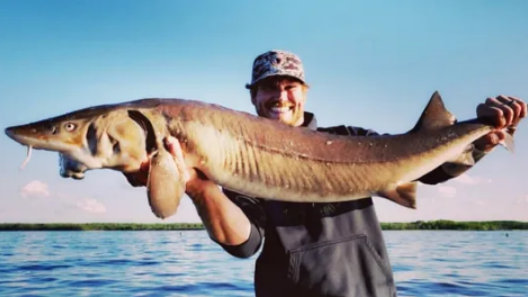
Meet your Guide Ryan Bunnell
- Thrilling St. Croix River Fishing Guides!


Summary
Guide Ryan Bunnell of Croix Boys Guided Adventures on Thursday August leads productive St. Croix River fishing trips from Stillwater, targeting smallmouth bass, walleye, and bluegill. This 4-hour guided fishing trip covers prime river spots using jigging, trolling, and live bait techniques. Located just minutes from the Twin Cities, our Stillwater launch provides easy access to diverse fishing opportunities with all gear included.
Fishing Charter with Ryan Bunnell – Rates & Booking
Guide Ryan Bunnell of Croix Boys Guided Adventures on Thursday August offers 4-hour St. Croix River fishing trips departing from William O'Brien State Park near Stillwater. These guided fishing trips target smallmouth bass, walleye, and bluegill using proven techniques like jigging near structure, trolling deeper channels, and live bait fishing. All tackle and bait are provided by our licensed guide, with trips accommodating up to 2 guests. Book online to secure your preferred date and experience the diverse fishing the St. Croix River offers.
Highlights of Half Day Guided Fishing Trip On St. Croix River - Walleye, Sauger, Smallmouth, Pike, And More
This morning fishing trip showcases the St. Croix River's excellent smallmouth bass population, with recent catches including a chunky 21-inch walleye and a hard-fighting 15-inch smallmouth bass. The river's diverse structure provides habitat for multiple species, making each trip an adventure. Partly cloudy conditions often keep fish active throughout the morning hours.
Our Stillwater location at 9134 MN-95 offers convenient access to productive fishing areas within minutes of launching. The scenic St. Croix River provides excellent fishing opportunities for anglers of all skill levels, with Captain Ryan adjusting techniques based on current conditions and guest experience.
Local Species Insights: Smallmouth Bass
Smallmouth bass thrive in the St. Croix River's rocky structure and current breaks, particularly during summer months when they're most active. These bronze-backed fighters prefer areas with moderate current and rocky bottoms, making them perfect targets for jigging presentations. In August around Stillwater, smallmouth bass often hold near deeper pools during midday heat, becoming more aggressive in early morning and evening hours when water temperatures moderate.
Plan Your Fishing Charter Day
Your 4-hour St. Croix River fishing trip includes all necessary tackle, live bait, and local expertise from Guide Ryan Bunnell. We launch from William O'Brien State Park with morning trips starting early to take advantage of prime fishing conditions. The boat comfortably accommodates 2 guests, ensuring personalized attention and instruction. Safety equipment is provided, and we recommend bringing sunscreen, snacks, and a camera to capture your catches.
Fishing in St. Croix River: Bluegill and Smallmouth Bass
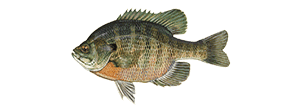
Smallmouth Bass (Micropterus dolomieu) belongs to the Sunfish family Centrarchidae and ranks among North America's most sought-after freshwater gamefish. These bronze-backed fighters display dark green to black coloration with vertical brown stripes that fade with age, and their distinctive red or brown eyes make them easily identifiable. In Stillwater waters this August, smallmouth bass actively feed near rocky structure and current breaks along the St. Croix River.
Smallmouth Bass Overview
Smallmouth bass are prized by anglers for their aggressive strikes and acrobatic fights, often jumping multiple times when hooked. They possess two dorsal fins - the front with 10 spines and the rear with 10-15 soft rays. Their streamlined body design makes them perfectly adapted for life in flowing water environments.
Smallmouth Bass Habitat and Distribution
These fish thrive in clear, cool waters with rocky or gravel bottoms, making the St. Croix River near Stillwater ideal habitat. They prefer areas with moderate current, fallen timber, and boulder fields where they can ambush prey. Water temperatures between 60-75°F provide optimal conditions for feeding activity.
Smallmouth Bass Size and Weight
Typical smallmouth bass range from 12 to 27 inches in length, weighing between 1 to 4 pounds. Trophy specimens can exceed these ranges, with the St. Croix River producing quality fish in the 15-18 inch range consistently.
Smallmouth Bass Diet and Behavior
Smallmouth bass are opportunistic predators feeding on crayfish, minnows, insects, and aquatic worms. They're most active during low-light periods of dawn and dusk, though they'll feed throughout the day in favorable conditions. During summer months, they often suspend in deeper pools during midday heat.
Smallmouth Bass Spawning Season
Spawning occurs in late spring when water temperatures reach 60-65°F. Males create circular nests in shallow, rocky areas and aggressively guard eggs and fry. Post-spawn fish gradually move to deeper summer haunts as water temperatures rise.
Smallmouth Bass Fishing Techniques
Effective techniques include jigging with tube baits or grubs near rocky structure, casting spinnerbaits along current edges, and using live bait like minnows or crayfish. In August around Stillwater, anglers find success working deeper pools with jigs during midday and targeting shallow structure during morning and evening hours.
Smallmouth Bass Is It Good to Eat?
Smallmouth bass offer excellent table fare with firm, white meat and mild flavor. They're high in protein and omega-3 fatty acids while remaining low in mercury. Popular cooking methods include grilling, baking, or pan-frying with simple seasonings that complement their delicate taste.
Smallmouth Bass Frequently Asked Questions
Q: What is the best bait for smallmouth bass?
A: Live crayfish, tube jigs, and spinnerbaits work exceptionally well. Match your presentation to current conditions and structure type.
Q: Where can I find smallmouth bass near Stillwater?
A: Focus on rocky areas, current breaks, and deeper pools along the St. Croix River. Structure like fallen trees and boulder fields hold fish consistently.
Q: Is smallmouth bass good to eat?
A: Yes, smallmouth bass provide excellent table fare with firm, white meat and mild flavor that's perfect for various cooking methods.
Q: When is the best time to catch smallmouth bass?
A: Early morning and evening hours during summer months, though they'll feed throughout the day in favorable weather conditions.

Bluegill (Lepomis macrochirus) represents one of North America's most popular panfish, belonging to the Sunfish family Centrarchidae. These colorful fish display variable body coloration from bluish-purple to olive green with 6-8 vertical stripes, while breeding males develop distinctive rusty red or orange bellies. In Stillwater waters this August, bluegill actively feed in shallow areas with vegetation and structure along the St. Croix River.
Bluegill Overview
Bluegill are beloved by anglers for their willingness to bite and spirited fights despite their smaller size. They feature a compressed, disc-shaped body with a distinctive black spot on the rear of their gill cover and blue coloration around the gill area that gives them their name.
Bluegill Habitat and Distribution
These adaptable fish thrive in lakes, ponds, and slow-moving rivers with vegetation and structure. They prefer shallow areas with cover like fallen trees, docks, and weed beds where they can find food and protection from predators. The St. Croix River's backwater areas provide ideal bluegill habitat.
Bluegill Size and Weight
Typical bluegill measure between 6 to 16 inches in length, weighing from 1 to 2 pounds. Hand-sized fish around 8 inches are common, while trophy bluegill exceeding 10 inches provide exceptional sport on light tackle.
Bluegill Diet and Behavior
Bluegill feed on insects, small crustaceans, worms, and aquatic vegetation. They're most active during daylight hours, often feeding in schools near shallow cover. During summer months, they move to deeper water during midday heat but return to shallows for morning and evening feeding.
Bluegill Spawning Season
Spawning occurs in late spring and early summer when water temperatures reach 65-75°F. Males create circular nests in shallow areas and guard eggs aggressively. Multiple spawning cycles throughout summer ensure consistent populations.
Bluegill Fishing Techniques
Light tackle with small hooks works best for bluegill. Effective baits include worms, crickets, small jigs, and flies. In August around Stillwater, focus on shallow areas with cover during morning and evening hours, using bobber rigs to present bait at proper depth.
Bluegill Is It Good to Eat?
Bluegill provide excellent table fare with sweet, flaky white meat that's perfect for pan-frying. They're high in protein and low in fat, making them a healthy dining option. Their mild flavor appeals to all ages, making them ideal for introducing children to eating fresh fish.
Bluegill Frequently Asked Questions
Q: What is the best bait for bluegill?
A: Live worms, crickets, and small jigs work exceptionally well. Keep baits small to match their mouth size.
Q: Where can I find bluegill near Stillwater?
A: Look for shallow areas with vegetation, fallen trees, or docks along the St. Croix River's quieter backwater sections.
Q: Is bluegill good to eat?
A: Yes, bluegill offer sweet, flaky white meat that's perfect for pan-frying and appeals to anglers of all ages.
Q: When is the best time to catch bluegill?
A: Morning and evening hours during summer months when they move into shallow areas to feed actively.
More species you can explore on this trip
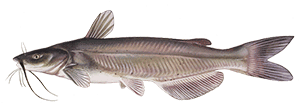
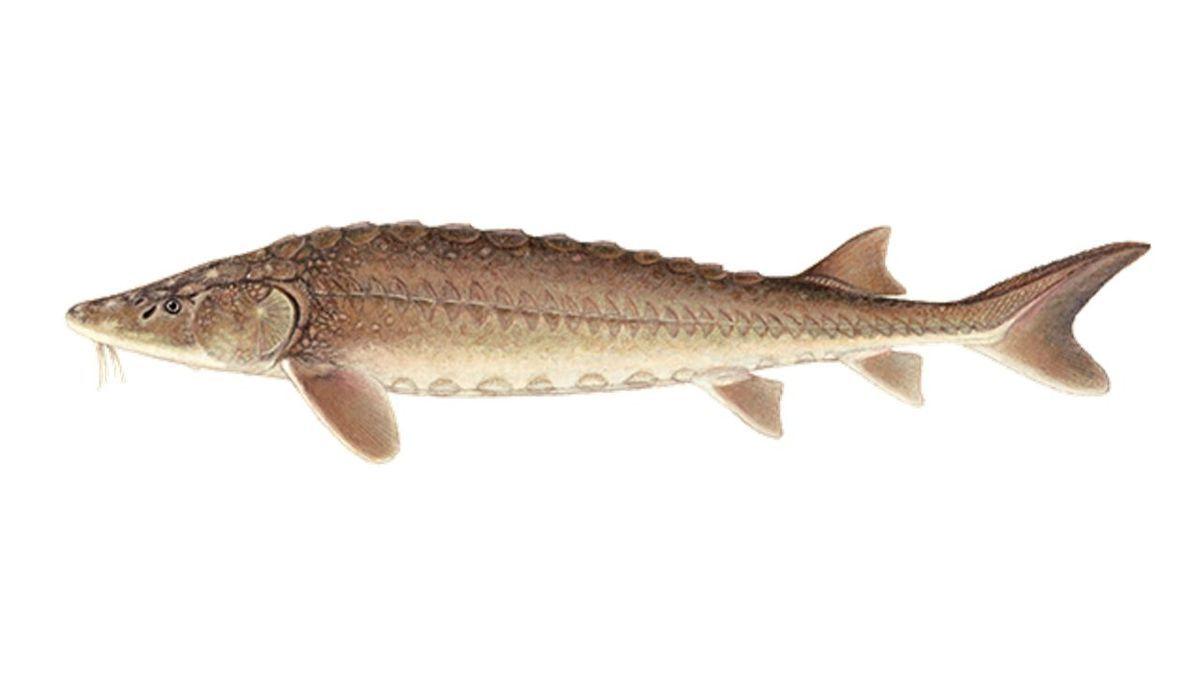
Croix Boys Guided Adventures Available Trips
Other customer memories from this trip
Ready for a fun morning on the water? Join Captain Ryan for a 4-hour fishing trip on the beautiful St. Croix River. Whether you're an experienced angler or new to fishing, this trip is perfect for everyone. You'll have the chance to catch walleye, smallmouth bass, sauger, pike, and other local fish while enjoying the scenery around you. Captain Ryan knows all the best spots and will make sure you have a great time out there. No need to worry about gear or bait - it's all provided for you. Just bring your enthusiasm and get ready for a memorable day on the river. With room for two guests, it's an ideal outing for you and a friend or family member. Don't miss this chance to make some fantastic fishing memories on the St. Croix!