%2Ffit-in%2F250x250%2Fguide_websites%2F19799%2Fimages%2F1736532850430image-2025-01-11t021342.136.png&w=1920&q=100)
Shortnose Gar Fishing in Stillwater MN
Shortnose Gar Fishing in Stillwater - What to Expect
%2F%2Fusers%2F90c39ed9-c4f8-40a2-910c-1497dfd6dea8%2Fimages%2Fshortnose-gar-fishing-stillwater-mn-2506.jpg&w=1920&q=75)
Guided Fishing Trip by Guide Ryan Bunnell in June
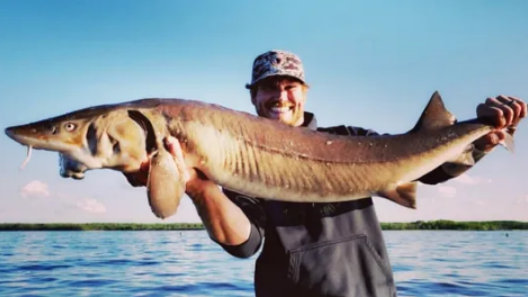
Meet your Guide Ryan Bunnell
- Thrilling St. Croix River Fishing Guides!


Summary
Experience an unforgettable guided fishing trip on the St. Croix River near Stillwater, MN with Ryan Bunnell of Croix Boys Guided Adventures. On Thursday, June, chase shortnose gar and discover the unique wildlife that calls this river home. Perfect for anglers seeking an authentic fishing adventure with local expertise.
Guided Fishing Trip with Ryan Bunnell - Rates & Booking
Guide Ryan Bunnell of Croix Boys Guided Adventures takes anglers onto the St. Croix River near Stillwater on Thursday, June for an immersive fishing experience targeting shortnose gar. This guided fishing trip puts you on the water with a local expert who knows the river's best fishing grounds and techniques for landing these distinctive fish. Ryan brings years of knowledge about seasonal patterns, prime feeding times, and the tactics that work throughout the year on this storied waterway.
To reserve your guided fishing trip or discuss specific dates and group size, contact Croix Boys Guided Adventures directly. Ryan customizes each outing based on conditions, your experience level, and what you're hoping to catch. Whether you're a seasoned angler or new to gar fishing, having a knowledgeable guide on the water significantly increases your chances of connecting with these hard-fighting fish.
Highlights of Your St. Croix River Experience
The St. Croix River offers exceptional opportunities for shortnose gar fishing, with pristine conditions and abundant fish populations. This scenic river corridor near Stillwater provides the perfect setting for a day on the water, combining excellent fishing potential with the natural beauty of the Minnesota landscape. You'll experience the thrill of sight-casting to gar, the excitement of the strike, and the rewarding battle with these powerful fish that patrol these waters.
What sets this experience apart is the personal attention from a dedicated fishing guide who understands local patterns and knows where gar congregate. The combination of beautiful surroundings, productive fishing grounds, and expert guidance creates memorable moments on the water that fishing enthusiasts return to year after year.
Local Species Insights: Shortnose Gar
Shortnose gar are one of the most distinctive fish species in North American rivers, instantly recognizable by their elongated bodies, sharp snouts, and powerful jaws lined with needle-like teeth. These prehistoric-looking fish inhabit freshwater systems and thrive in areas like the St. Croix River where conditions support healthy populations. Shortnose gar are ambush predators, typically found in slower sections of the river where they can hover motionless before striking at passing prey.
What makes gar so exciting to chase is their visual feeding behavior and aggressive strikes. Unlike many fish species, gar often allow sight-casting, meaning you can see them moving through the water and present lures directly to them. This interactive style of fishing creates an engaging, active experience throughout the day. When hooked, shortnose gar are incredible fighters, known for their head-shaking runs, explosive jumps, and powerful tail thrashes that test your patience and skill.
Gar inhabit vegetated areas, fallen timber, and current breaks where they position themselves to intercept food. The St. Croix River's rich habitat provides excellent cover and hunting grounds for these fish. Understanding their behavior and habitat preferences is key to consistent success, which is exactly why fishing with an experienced local guide dramatically improves your odds of not just finding gar, but connecting with multiple fish during your outing.
The thrill of gar fishing lies in the combination of visual engagement, explosive strikes, and memorable battles that leave anglers wanting to return to the water. Whether this is your first encounter with shortnose gar or you're a seasoned gar chaser, the St. Croix River with Ryan Bunnell offers the authentic experience you're seeking, with the guidance and local knowledge that make the difference between a good day and an incredible one.
Fishing in St. Croix River: Shortnose Gar
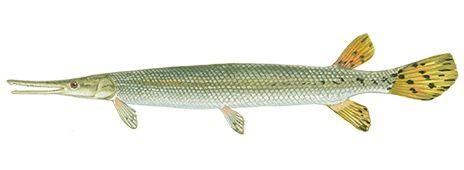
Shortnose Gar Overview
The Shortnose Gar (Lepisosteus platostomus) is a fascinating primitive freshwater fish belonging to the family Lepisosteidae and order Lepisosteiformes. Native to the United States, this remarkable species has roamed North American waters for millions of years, earning its prehistoric appearance through elongated jaws lined with cone-shaped teeth and a body armored with interlocking rhomboid ganoid scales. What makes the Shortnose Gar truly distinctive among its gar relatives is its moderate snout length—shorter than the Longnose Gar but broader than the Alligator Gar—and its relatively unspotted body, which typically ranges from brown to olive green on top with yellowish sides and creamy white undersides. Anglers and nature enthusiasts alike are drawn to this species for its unique hunting behavior and remarkable ability to thrive in low-oxygen environments, making it a prized sighting in rivers and lakes throughout the Mississippi River basin and Gulf Coast regions.
Shortnose Gar Habitat and Distribution
Shortnose Gar are primarily distributed across the Great Lakes region, extending southward toward the Gulf of Mexico, with populations concentrated in the lower gradient portions of the Mississippi River basin. Their range historically stretched from southern Ohio westward through river systems feeding the Mississippi, reaching into Montana during certain periods. These fish show a strong preference for calm, quiet waters—particularly oxbow lakes, bayous, slow delta rivers, and large backwater pools where aquatic vegetation is sparse. Unlike many fish species that struggle in turbid or low-oxygen conditions, the Shortnose Gar possesses a specialized gas bladder that functions similarly to a lung, allowing it to extract oxygen directly from the air. This unique adaptation makes them exceptionally well-suited to environments with poor water clarity and diminished oxygen levels, allowing them to inhabit areas where other gamefish cannot survive. Anglers exploring river systems and coastal backwaters will frequently encounter this species in quiet pools and along riverbank margins where they can ambush prey with minimal effort.
Shortnose Gar Size and Weight
The Shortnose Gar is notably smaller compared to other members of the Lepisosteidae family, making it a more manageable target for recreational anglers. Most individuals reach an average length of approximately 25 inches and weigh around 5 to 6 pounds, making them far more approachable than their larger cousins. Maximum recorded lengths extend to about 35 inches, though such specimens are relatively uncommon in most fisheries. This smaller stature actually makes the species an excellent introduction to gar fishing for beginners, as it doesn't require heavy-duty tackle or extreme patience levels that pursuing larger gar species demands. A standard rod and reel setup with 15 to 25 pound test line is entirely sufficient for successfully landing these fish, making them accessible to anglers of varying skill levels and equipment availability.
Shortnose Gar Diet and Behavior
As ambush predators, Shortnose Gar are masters of deception and patience, using their streamlined bodies to glide through water with minimal disturbance while hunting unsuspecting prey. While primarily piscivorous—feeding on available fish species—these gar have been documented consuming a notably higher proportion of invertebrates compared to other gar species, including crustaceans, aquatic insects, and various invertebrate organisms. During peak summer months when cicadas emerge in abundance, Shortnose Gar demonstrate fascinating defensive and territorial behaviors, aggressively competing for prime feeding positions near the surface as they hunt the falling insects. Their hunting strategy involves a deceptive approach where they disguise themselves as floating logs or sticks, moving tentatively and slowly toward their targets before executing sudden strikes with rapid head movements. These fish are most active during dawn, dusk, and nighttime hours, when they characteristically roll and thrash noisily near the surface as they gulp air using their specialized gas bladders. Anglers familiar with this behavior can locate feeding fish by listening for these distinctive rolling sounds, particularly in oxbow lakes and slow-moving river sections throughout the Mississippi drainage system.
Shortnose Gar Spawning and Seasonal Activity
Shortnose Gar reach peak activity levels during the warmer months, particularly in summer when water temperatures rise and aquatic invertebrates become most abundant. The heat of midsummer creates ideal conditions for locating and catching these fish, as they become increasingly aggressive feeders and more prone to hunting actively near the water's surface. Their spawning periods align with seasonal temperature increases, typically occurring during late spring and early summer months. During these reproductive phases, fish congregate in shallower backwater areas and oxbow lakes, making them more predictable and accessible to anglers. The fall cooling period gradually reduces activity levels as water temperatures drop, and winter months see these fish become considerably less active, preferring deeper pools and more isolated habitats. Understanding these seasonal patterns is crucial for successful Shortnose Gar fishing, with summer daylight and evening hours providing the most productive and exciting angling opportunities.
Shortnose Gar Techniques for Observation and Capture
Technique One: Sight Casting with Baitfish Imitations
The most effective and engaging method for catching Shortnose Gar involves locating visible fish near the surface—particularly during dawn, dusk, or night hours—and carefully presenting a baitfish-imitation plug. Cast your lure close to, but not directly at, the fish's head, then resist the urge to move it. The key to success lies in patience; allow your lure to rest still in the water with only occasional minimal twitches. As the gar becomes actively interested, it will propel itself toward the bait using subtle fin movements, creating the illusion of a floating log or stick drifting casually through the water. When you observe the fish moving toward your lure, maintain absolutely stillness—any sudden movement will spook the fish and end your opportunity. Once the gar positions itself alongside the lure near its head, remain patient. The moment the fish decides to strike, it will take the bait with a sudden, jerking head movement. At this instant, set the hook with a hard, upward pull of your rod. If properly executed, you'll manage to lift the gar partially out of the water; if unsuccessful, reset and prepare for the next feeding fish. This technique requires extreme patience but rewards the disciplined angler with an unforgettable battle.
Technique Two: Drift Fishing in Backwaters and Oxbow Lakes
Another highly productive approach involves drifting or slowly trolling through calm backwater areas, oxbow lakes, and slow delta rivers while presenting cut bait, live minnows, or specialized gar flies. This method works particularly well when fishing deeper pools and channels where Shortnose Gar congregate during daylight hours. Use a 15 to 25 pound test line attached to a moderate-action rod, allowing you to feel subtle strikes and maintain control during the fight. Position your boat or wade slowly along vegetation lines, drop-offs, and areas where current creates natural ambush points. Cast toward likely holding areas and retrieve slowly, making occasional pauses to allow your bait to rest. Around the Mississippi River basin and tributary systems, focus your efforts on areas where river infrastructure creates slack water zones—these predictable hotspots consistently hold feeding fish.
Technique Three: Night Fishing During Peak Activity
Take advantage of the Shortnose Gar's nocturnal feeding patterns by fishing during evening and night hours, particularly in summer months. Wade or fish from a boat using light sources to spot surface disturbances created by feeding fish. Listen carefully for characteristic rolling and splashing sounds that indicate active feeders, then position yourself upstream or alongside these disturbances. Soft presentations with cut bait or live minnows prove most effective in darkness, as the fish rely heavily on lateral line detection and sound when visibility diminishes. This approach combines the excitement of sight-fishing with the challenge of working in low-light conditions, creating memorable angling experiences in prime locations throughout the Gulf Coast and Mississippi River regions.
Shortnose Gar Culinary and Utilization Notes
The Shortnose Gar presents challenging prospects for culinary preparation, and most anglers do not retain these fish for consumption. The flesh itself is not considered poisonous—contrary to persistent myths—but rather quite bony and difficult to process, making it unpopular as a food fish despite being legal to harvest in most jurisdictions. The roe, or eggs, has historically been utilized in some regional cuisines and for caviar-like applications, though such practices remain uncommon in modern times. Most anglers practice catch-and-release fishing for this species, appreciating it as a unique quarry and ecological component of their local fishery rather than as a food source. From a sustainability perspective, maintaining healthy Shortnose Gar populations supports broader ecosystem health in slow-moving river systems and backwater environments where they serve as apex predators controlling fish and invertebrate populations. Anglers interested in this species are encouraged to practice responsible catch-and-release techniques, handling the fish briefly for photographs before returning them unharmed to their aquatic habitat.
Shortnose Gar Frequently Asked Questions
Q: What is the best bait or lure for catching Shortnose Gar?
A: Baitfish-imitation plugs, live minnows, cut bait, and specialized gar flies all produce excellent results. The key is presenting your offering near visible fish and maintaining minimal movement while the gar approaches. Many successful anglers prefer artificial lures that mimic natural baitfish and can be cast with precision to target specific fish.
Q: Where can I find Shortnose Gar in the Mississippi River basin?
A: These fish thrive in oxbow lakes, slow delta rivers, bayous, and quiet backwater pools throughout the Mississippi River system and its tributary networks extending from the Great Lakes southward toward the Gulf of Mexico. Focus your search on calm water areas with minimal current and sparse aquatic vegetation, particularly where river infrastructure creates slack water zones.
Q: Is the Shortnose Gar good to eat?
A: While technically edible and not poisonous, Shortnose Gar are rarely consumed due to their extremely bony flesh, which is difficult and laborious to process. Most anglers practice catch-and-release fishing to preserve these unique fish and appreciate them as specialized gamefish rather than food sources. The species is best enjoyed for the sport and challenge it provides to dedicated anglers.
Q: When is the best time to catch Shortnose Gar?
A: Summer months provide optimal conditions, with dawn, dusk, and night hours offering the most productive fishing. Listen for characteristic rolling and splashing sounds near the water's surface, which indicate actively feeding fish. Early morning and evening hours consistently produce more strikes than midday periods, though dedicated night fishing can yield spectacular results, particularly when water temperatures are warmest.
Q: What rod and reel setup do I need for Shortnose Gar?
A: A moderate-action rod and conventional or spinning reel spooled with 15 to 25 pound test line provides ideal balance for these relatively smaller gar species. Heavy tackle is unnecessary and will diminish the enjoyment of fighting these spirited fish, while lighter setups may prove inadequate when a large specimen strikes with intensity. Match your equipment to the average 25 to 35 inch size range these fish typically occupy.
Q: Why do Shortnose Gar surface so frequently, and what does this mean for anglers?
A: The Shortnose Gar possesses a specialized gas bladder that functions as a lung, requiring it to gulp atmospheric oxygen regularly to supplement its aquatic respiration. This behavior is particularly pronounced during warm summer months and in low-oxygen environments, making surface activity predictable and observable. Savvy anglers use these characteristic rolling and splashing sounds to locate feeding fish, positioning themselves to present lures to visible targets—a thrilling approach that combines sight-fishing excitement with the challenge of precise presentations.